How to Tell If Your Geelong Home Has an Asbestos Roof: Age, Materials, and Visual Signs
Geelong homes built before 1990 are most likely to contain asbestos roofing materials. This post explains how to tell whether your roof may be affected, covering property age, common materials, and what to look for visually before calling a professional.
How Age Tells You a Lot About Your Roof
Your home's build date is the most useful clue. Asbestos cement materials were widely used in Australian residential construction from the mid-1940s until the late 1980s, with a total national ban taking effect on 31 December 2003. If your Geelong property was built or renovated before 1990, there is a genuine possibility your roof contains asbestos.
Older suburbs, including Newtown, Manifold Heights, and Hamlyn Heights, have many post-war homes that may still carry original roofing that has never been replaced.
What Common Asbestos Roofing Products Look Like
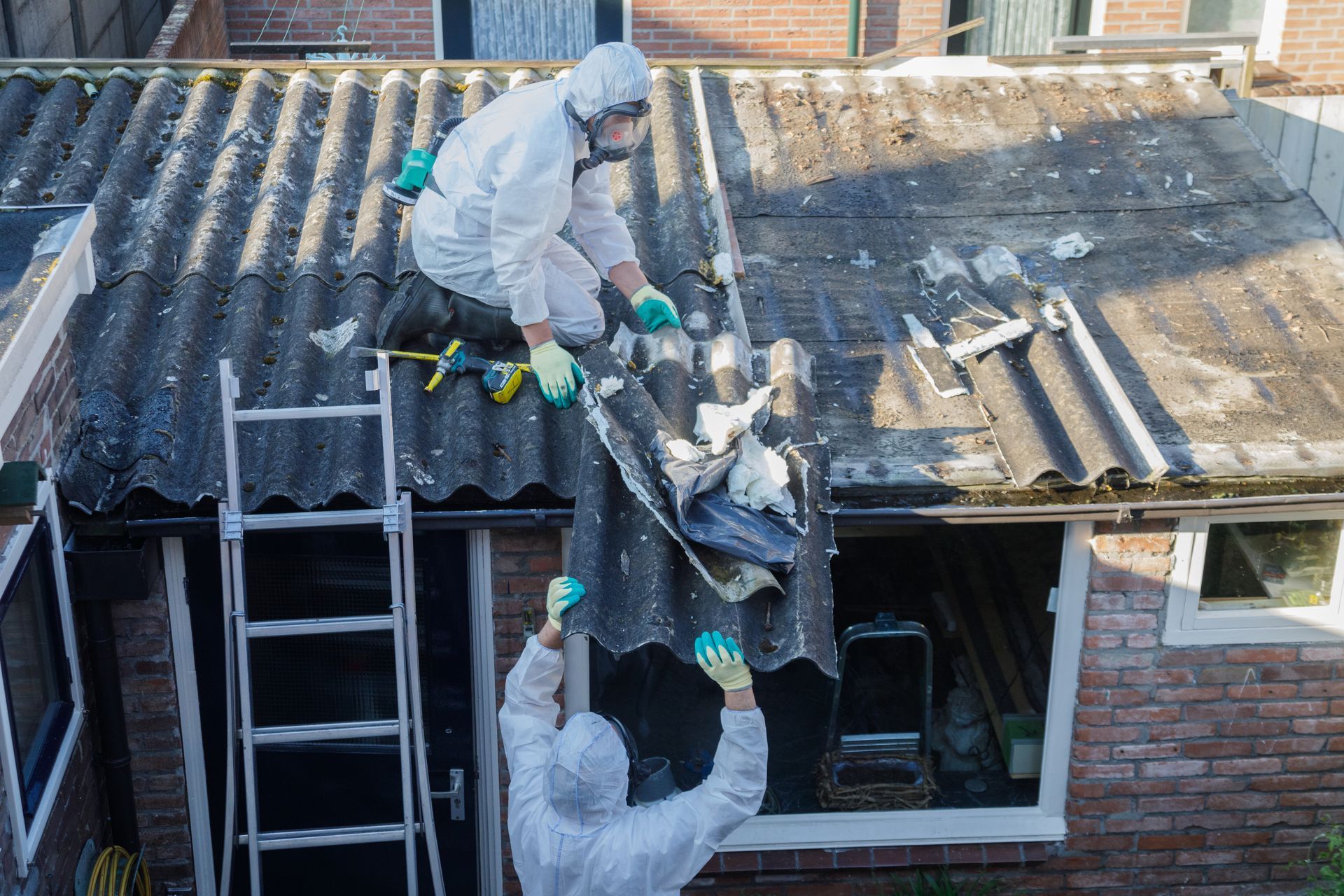
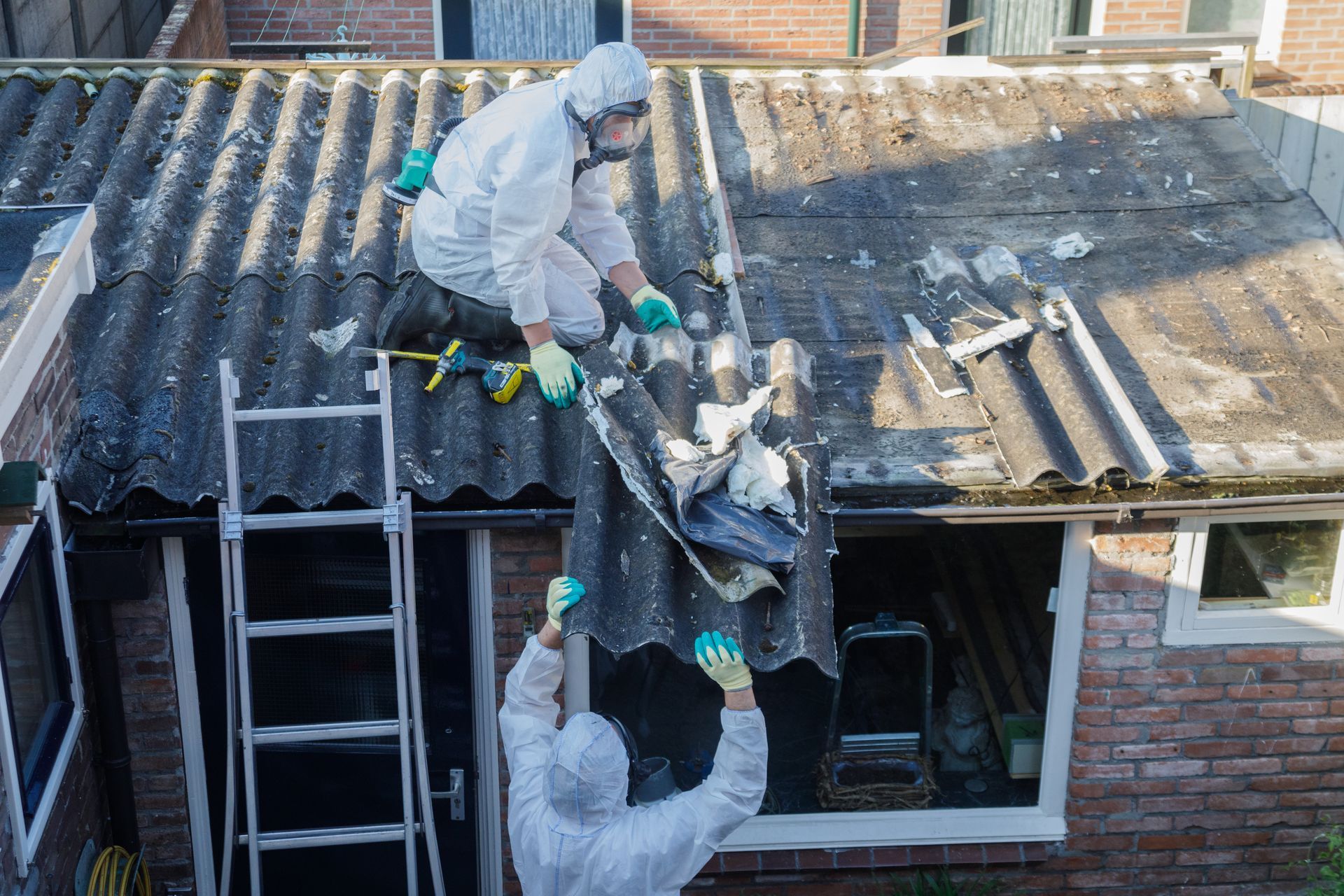
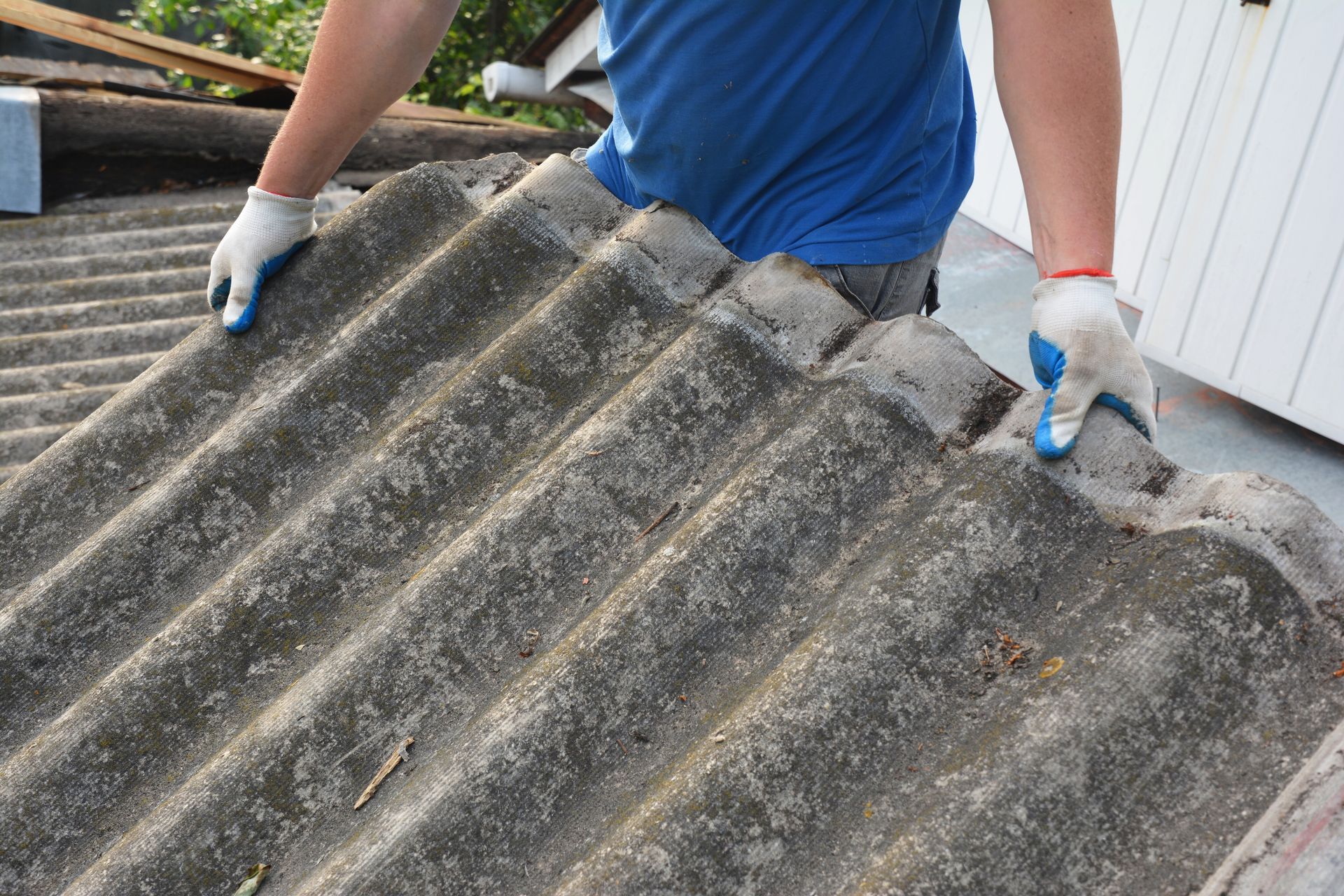
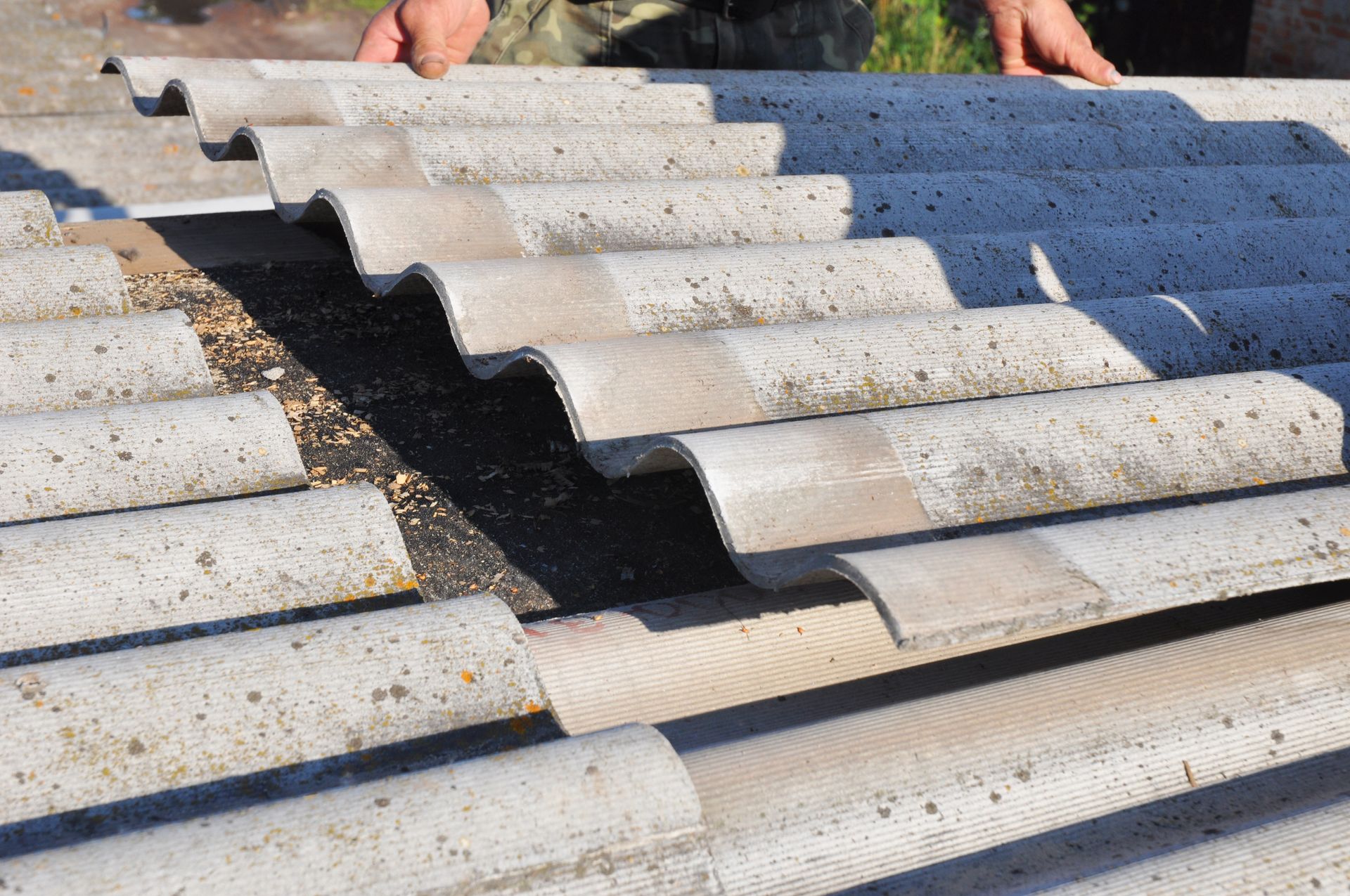
Super Six Corrugated Sheeting. One of the most widely used roofing materials in Victoria, Super Six is a grey cement sheet with deep, rounded corrugations, often fixed with bolts fitted with diamond-shaped washers. The asbestos version ceased manufacture around 1983 to 1985, though a non-asbestos product continued under the same name until 1992, making visual identification alone unreliable.
Flat Fibro Sheets. These appear on lower-pitched roofs, skillion sections, carports, and verandah covers. They have a smooth or slightly textured surface with minimal overlap at joins.
Both types tend to look grey and cement-like. Lichen and moss growth commonly discolours them over time. Cracking, flaking, or surface weathering suggests the material may be breaking down, and asbestos roof removal in Geelong is often the safest course of action when these signs are present.
Visual Signs That May Indicate an Asbestos Roof
- Corrugated cement-grey sheets that look older and heavier than metal roofing.
- Diamond-shaped washers or bolts at fixing points along the ridgeline.
- Discolouration, moss, lichen, or flaking on the sheet surface.
- Cracked, sagging, or brittle-looking sections that do not flex like metal.
- Flat cement sheets on low-pitch or skillion areas of the roof.
Why Visual Identification Is Never Enough
You cannot confirm asbestos just by looking. Non-asbestos fibre cement products made after the mid-1980s look very similar to older asbestos versions. Any sheet not stamped as asbestos-free should be treated with caution until verified through sampling and testing by a NATA-accredited laboratory.
In Victoria, the recommended approach is to engage a licensed occupational hygienist or asbestos assessor to collect samples safely. Attempting to sample roofing material yourself carries real risk, particularly if sheets are cracked or weathered, as damaged material can release airborne fibres.
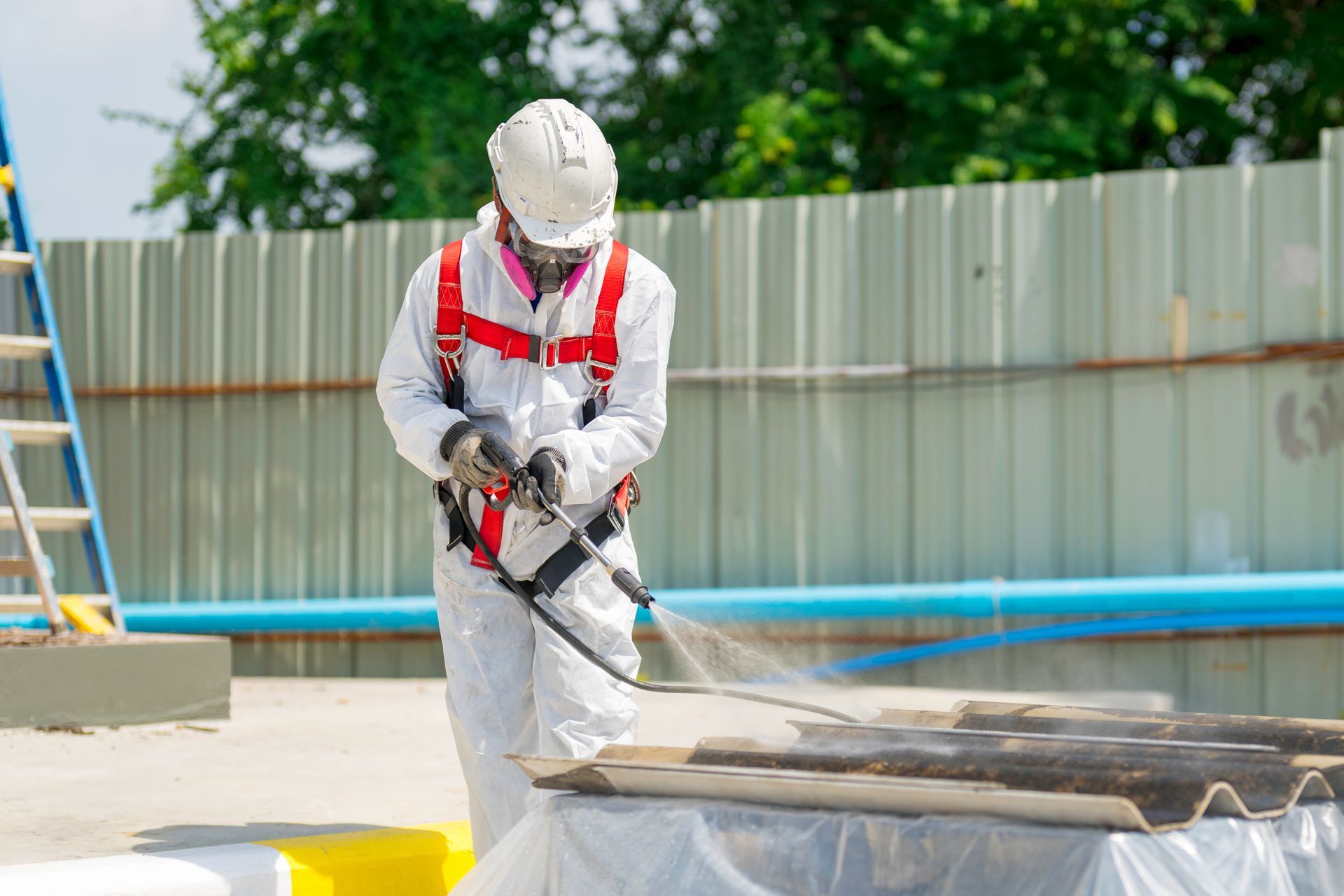
Disturbing suspected asbestos roofing by walking on it, drilling it for solar panel brackets, or pressure washing it can release fibres. If testing confirms contamination, licensed asbestos roof removal in Geelong must be completed before any further roof work is undertaken.
What to Do If You Suspect Your Roof Contains Asbestos
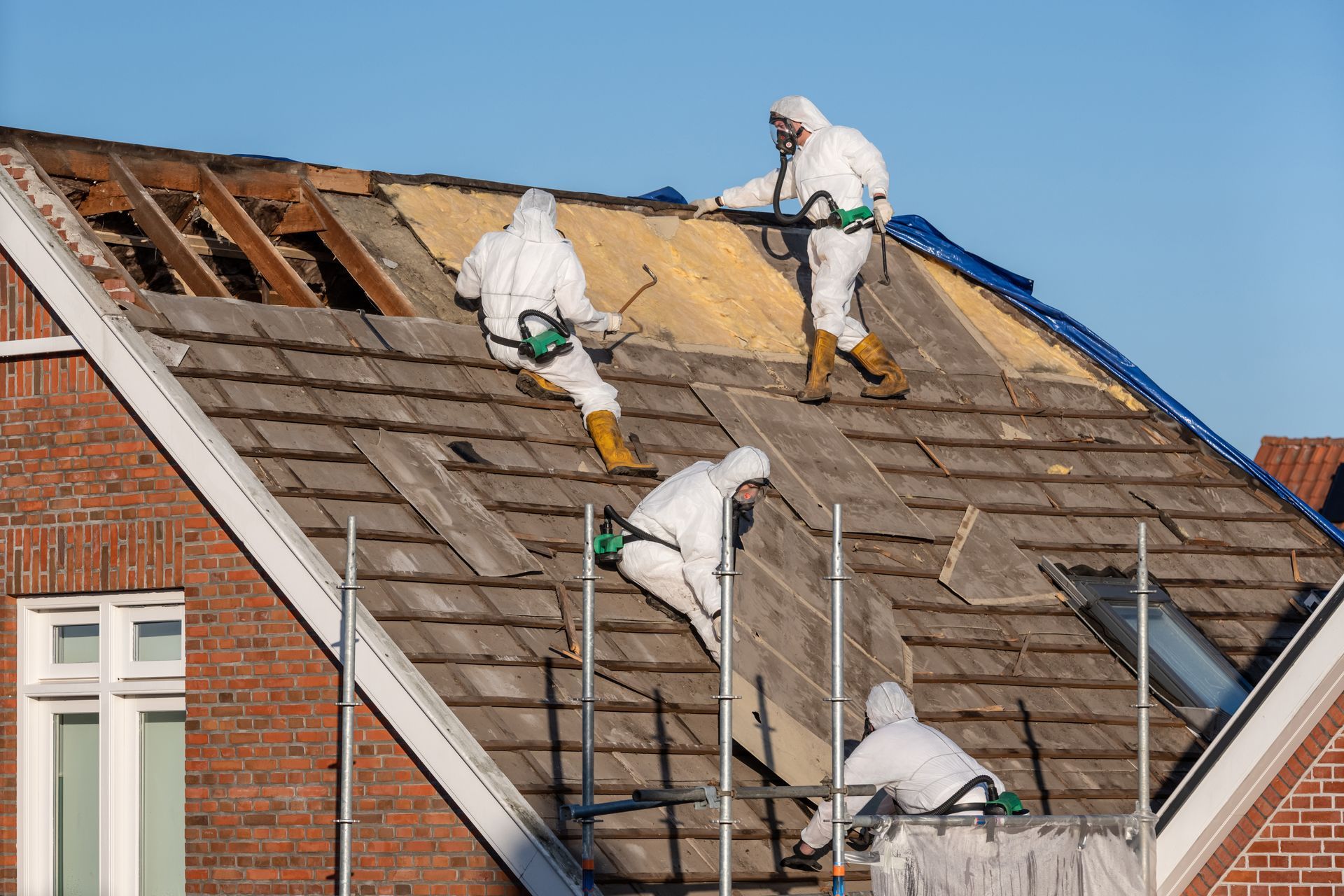
Do not touch, cut, drill, or pressure-clean the suspected material. Keep children and pets away from the area and avoid collecting rainwater run-off from the roof. The next step is to arrange a professional inspection with a licensed assessor who can confirm whether testing is needed. Once asbestos is confirmed, removal must be carried out by a licensed removalist under WorkSafe Victoria regulations.
Ready to Get Expert Help in Geelong?
If your home was built before 1990 and you are concerned about your roof, contact Geelong Asbestos Removals for a no-obligation quote. Geelong Asbestos Removals has over 40 years of experience delivering licensed asbestos roof removal in Geelong, VIC, and serves the Greater Geelong area, including the Surf Coast, Bellarine Peninsula, and beyond. Call 0402 810 599 to speak with a local expert today.